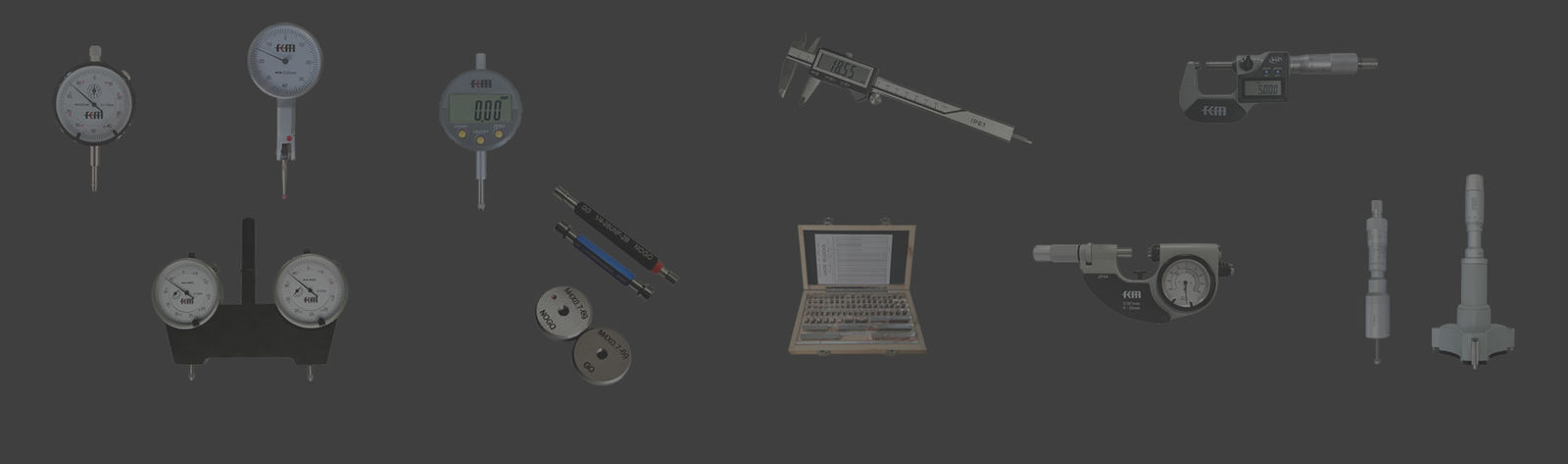
The dial test indicator is a commonly used precision measuring instrument that can measure the size, shape and position error of parts. However, can the lever dial indicator adjust the measurement angle? This article will start from the functional characteristics and operation guide of the lever dial indicator to answer this question in detail and provide you with some usage tips.

1. The dial test indicator operates based on the principle of lever amplification, converting the minute displacement of the measuring rod into a larger swing of the pointer to achieve high-precision measurement. Its core component is a precise gear mechanism. The movement of the measuring rod drives the gear to rotate, and the pointer is fixed on the gear, thereby achieving displacement amplification.
2. Dial test indicators are typically used to measure geometrical quantities such as flatness, perpendicularity, and parallelism, as well as radial runout and end face runout of shafts. They are widely applied in fields such as mechanical processing, mold manufacturing, and metrological inspection.
3. Different types of lever dial indicators will also vary in their measurement range, accuracy and structure. For instance, some lever dial indicators are equipped with replaceable measuring tips, which can adapt to various measurement requirements.
1. Most standard dial test indicator do not have the ability to directly adjust the measurement angle. The measuring rod of such devices is usually designed to be perpendicular to the dial, suitable for measuring displacements in the vertical direction.
2. Although the dial test indicator itself cannot adjust the measurement angle, we can achieve the purpose of indirectly adjusting the measurement angle by using some auxiliary tools. For instance, by using magnetic table holders and adjustable angle brackets, the lever micrometer can be fixed at different angles for measurement.
3. If you need to conduct measurements from different angles frequently, you may consider choosing a dial test indicator with adjustable-angle measuring heads, or using other types of measuring instruments such as dial indicators, angle gauges, etc.
1. Before use, the dial test indicator needs to be zeroed. Gently place the measuring rod against the reference surface, then rotate the dial to make the pointer point to zero.
2. During measurement, ensure that the measuring rod is placed vertically against the surface of the object being measured. Read the value indicated by the pointer. It is important to note that the measuring force applied to the measuring rod should be moderate; either too strong or too weak will affect the measurement accuracy.
3. After the measurement is completed, gently remove the lever micrometer to prevent damage to the measuring rod. Store it properly to avoid collisions and dust contamination.
1. To enhance measurement accuracy, it is recommended to calibrate the lever micrometer before measurement.
2. During the measurement process, it is necessary to ensure the stability of the measured workpiece and the lever micrometer, and avoid any vibrations or shakes.
3. Choosing the appropriate probe can enhance the measurement efficiency and accuracy.
1. Regularly clean the lever micrometer to prevent dust and debris from affecting its accuracy.
2. Avoid subjecting the lever micrometer to impacts or drops, as this could damage the precision components.
3. When not in use for a long time, the lever micrometer should be stored in a dry and ventilated place.