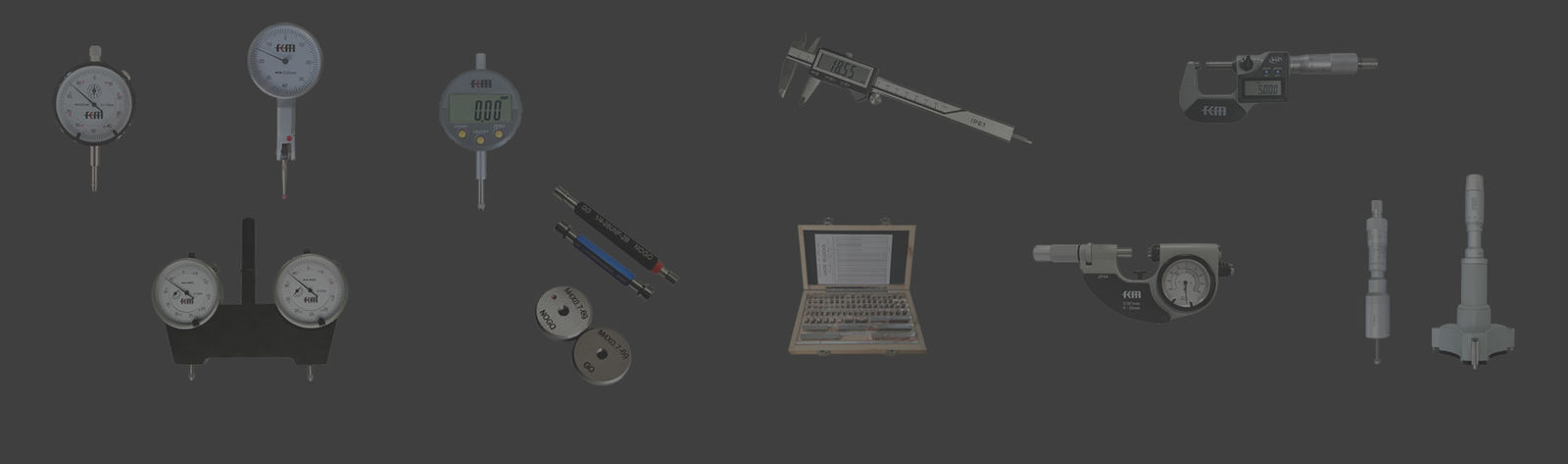
The internal diameter gauge is a common precision measuring tool used for measuring the size and form tolerance
of holes. The measuring tip, which is the part in direct contact with the measured object, has a direct impact on the
measurement accuracy. Now let's explore the influence of the wear of the measuring tip on the accuracy of the internal
diameter gauge and how to avoid measurement errors.

I. The Impact of Probe Wear on Accuracy
Probe wear directly affects the accuracy of measurement data. As the usage time increases, the surface of the probe
will gradually wear out, causing changes in the shape and size of the probe tip. This will result in deviations in the
measured readings. If not calibrated or replaced in time, it will cause measurement errors, thereby affecting the
processing quality of the workpiece.
II. Regular Calibration and Maintenance
To avoid measurement errors caused by the wear of the measuring head, it is necessary to regularly calibrate and
maintain the internal diameter micrometer. Calibration not only involves verifying the measurement values, but also
checking the wear condition of the measuring head. Maintenance includes cleaning and lubricating the measuring head
and other measuring components to maintain measurement accuracy.
III. Selecting Appropriate Probe Materials
The selection of probe materials is crucial for slowing down the wear rate. Probes are usually made of high-hardness
materials, such as hard alloys or steel coated with wear-resistant materials, to reduce wear. Reasonable selection
of probe materials with the hardness suitable for the material being measured can effectively reduce the wear rate.
IV. Correct Usage and Operation
Correct usage and operation habits can also reduce the wear of the probe. For instance, avoiding applying unnecessary
pressure to the probe and properly placing and storing the internal diameter gauge can not only reduce wear caused by
improper operation but also enhance the stability of the measurement.
Here are the questions you might be interested in and their answers:
Q: How can we ensure the measurement accuracy of the internal diameter gauge during the measurement process?
A: To ensure the accuracy of the internal diameter micrometer, not only the wear condition of the measuring tip
needs to be paid attention to, but also the equipment should be calibrated regularly to maintain the consistency of the
measuring force, and the correct measurement methods and techniques should be mastered.
Q: Can the worn-out probe still be used?
A: If the probe is not severely worn and the measurement accuracy can be guaranteed after calibration,
it can be used further. However, if the probe is found to be severely worn, a new probe should be replaced immediately.
Q: Is there any way to predict the degree of wear on the probe?
A: Regularly checking and recording the changes in measurement readings can to some extent reflect the wear
condition of the probe. Additionally, a microscope or other inspection tools can be used to visually examine the degree
of wear on the probe.
In summary, the wear of the measuring tip of the internal diameter micrometer does indeed have an impact on the
measurement results. Taking appropriate maintenance measures can minimize the errors caused by wear and
ensure the accuracy and stability of the measurement.