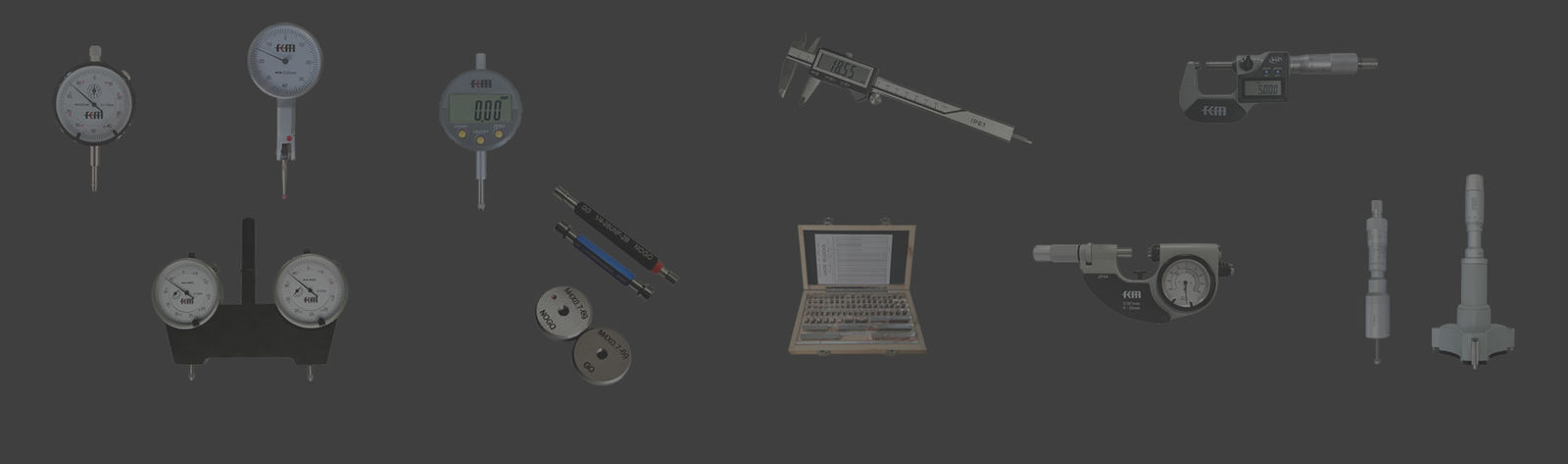
As a high-precision measuring instrument, the dial indicator's measurement accuracy will be affected to some extent
after ong-term use. This article will analyze the impacts of the dial indicator after long-term measurement from
multiple perspectives and explore how to deal with these changes to maintain its measurement accuracy.
I. Working Principle of Dial Indicator and Potential Impacts of Long-Term Measurement
1. The working principle of a dial indicator is to utilize a gear transmission mechanism to magnify the minute displacement
of the measuring rod and display it on the dial. Frequent mechanical movements during long-term measurement
can lead to gear wear, affecting transmission accuracy.
2. During long-term measurement, the repeated extension and retraction of the measuring rod will cause elastic
deformation, leading to deviations in the measurement data. This effect is particularly pronounced when the
measurement force is large or the temperature of the measurement environment changes significantly.
3. The lubricating oil inside the dial indicator will evaporate or deteriorate over time. A decline in the lubrication effect
will increase the friction between mechanical components, thereby affecting the measurement accuracy and
service life.

II. The Influence of Environmental Factors on the Measurement Accuracy of Micrometers
1. Temperature changes can cause thermal expansion and contraction of the metal components of the micrometer,
resulting in measurement errors. For example, in a high-temperature environment, the reading of the
micrometer may be larger.
2. Excessive humidity can cause rusting of the metal components of the micrometer, affecting the flexibility of
its mechanical movement and thereby reducing the measurement accuracy. At the same time, a humid environment
is prone to breeding bacteria, posing challenges for the maintenance and upkeep of the micrometer.
3. Dust and particles will enter the internal part of the micrometer, contaminating the lubricating oil and
accelerating the wear of mechanical components, thereby affecting the measurement accuracy.
III. Analysis of Precision Changes in Micrometers after Long-Term Measurement
1. After prolonged measurement, the indication error of the micrometer may increase. This is because the wear
and deformation of mechanical components cause a deviation between the displacement of the measuring
rod and the numerical value displayed on the scale.
2. Repetitive errors may also be affected. Due to the wear of mechanical components and the decline in lubrication
effectiveness, there may be slight differences in each measurement result, thereby reducing the repeatability
of the measurement.
3. The stability of the micrometer may also decrease. After prolonged use, the zero position of the micrometer
may drift, resulting in unstable measurement results.
IV. How to deal with the accuracy changes of the micrometer after long-term measurement
1. Regularly calibrate the micrometer to ensure its measurement accuracy meets the requirements. The calibration
cycle can be adjusted according to actual usage.
2. Pay attention to the maintenance and care of the micrometer. Clean it regularly, add lubricating oil, and store it
in a dry and ventilated environment.
3. During the measurement process, try to avoid applying excessive measuring force to the micrometer
and control the temperature and humidity of the measurement environment.
Here are the questions you might be interested in and their answers:
Q: How often should a dial indicator be calibrated?
A: It is recommended to calibrate at least once a year. The specific frequency can be adjusted according to
the usage frequency and accuracy requirements.
Q: How do you clean a dial indicator?
A: You can wipe the surface of the micrometer with a clean soft cloth and use a professional cleaner to remove
stubborn stains. Do not use corrosive solvents.
Q: How should a dial indicator be stored?
A: The dial indicator should be stored in a dry, ventilated, dust-free environment and should be protected from
direct sunlight and high temperatures.
After a long period of measurement, the measurement accuracy of a micrometer will be affected by various factors.
To ensure the accuracy of the measurement, we need to understand these influencing factors and take corresponding
measures to deal with them. We hope that the explanation in this article can help you better use and maintain
the dial indicator.